
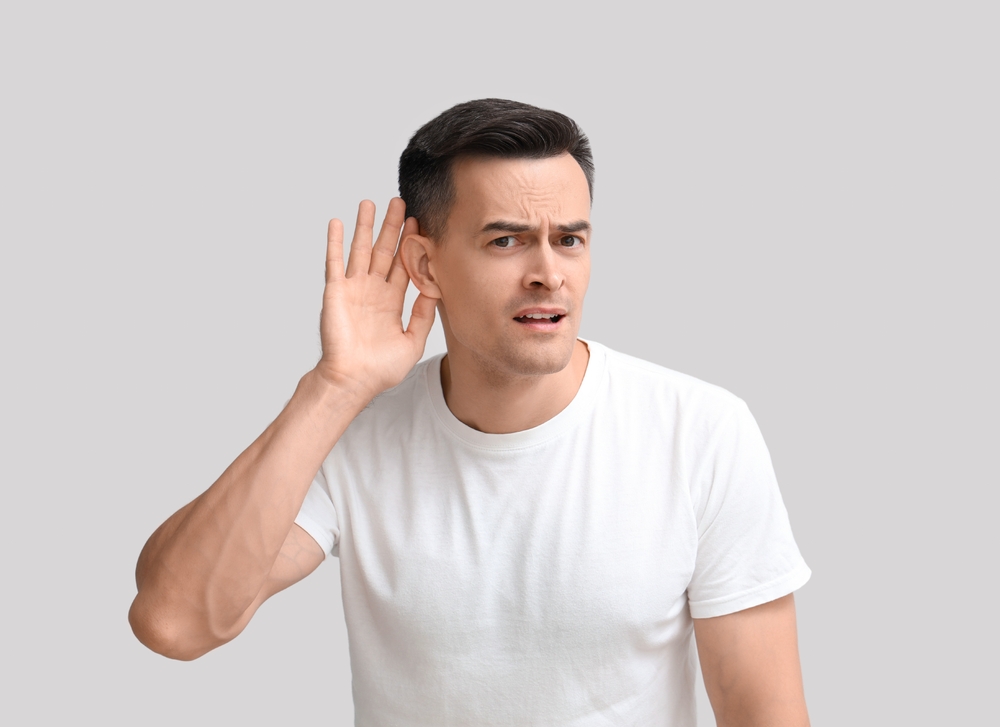
Do you often experience profound mental depletion following extended dialogue or crowded social events?
You might initially blame your exhaustion on general tiredness or a busy lifestyle. Certainly, for those with introverted tendencies or sensory processing sensitivities, social engagement is naturally taxing. However, in many clinical scenarios, the underlying driver is a neurological phenomenon known as auditory fatigue.
Essentially, auditory fatigue is the result of the brain over-functioning to compensate for poor sound quality. The brain’s attempt to reconstruct incomplete audio data requires an immense amount of “processing power” and neural energy. Over time, this constant strain can leave you feeling mentally exhausted.
Many people mistake auditory fatigue for ordinary tiredness. This type of burnout often points toward a functional decline in the auditory system. A comprehensive assessment can help determine whether hearing loss is contributing to your symptoms. Should these symptoms persist, it is vital to discuss the possibility of hearing loss with a healthcare professional.
What Causes Auditory Fatigue?
Several factors can force the brain to work harder during listening, increasing the risk of auditory fatigue.
Why Untreated Hearing Impairment Causes Fatigue
One of the most common causes is untreated hearing loss.
When acoustic signals are incomplete, the brain engages in heavy “top-down” processing to reconstruct speech. This constant guesswork increases listening effort, which can quickly lead to mental exhaustion during conversations.
Auditory Fatigue in Social Settings
Acoustically complex settings serve to intensify the demand on the brain’s filtering systems. Settings like busy cafes or group discussions often present a low signal-to-noise ratio that obscures speech.
The presence of competing sounds forces the brain’s “noise-cancellation” filters to work at maximum capacity. This process can create cognitive overload, especially for people with hearing loss (even mild cases).
The Role of Tinnitus in Auditory Fatigue
Tinnitus—the perception of internal ringing—exacerbates fatigue by increasing the sheer volume of data the brain must process.
A distorted acoustic signal acts as a “broken link,” requiring the brain to expend extra energy to fix the data in real-time.
How to Recognize the Onset of Auditory Fatigue
Auditory fatigue can affect both mental focus and overall energy levels. Frequently observed symptoms include:
- Experience of deep cognitive depletion following verbal interaction
- Inability to maintain attention in multi-person dialogues
- Onset of tension headaches following sustained auditory focus
- Irritability or frustration in social settings
- Social retreat to avoid the stress of auditory processing
- Compulsive need for rest after navigating a noisy environment
Should these signs become habitual, they serve as evidence of excessive cognitive load.
The Neurology of Effortful Listening
With healthy hearing, the brain’s speech recognition pathways operate with high efficiency. However, when hearing loss is present, the brain must allocate more cognitive resources to decode sounds.
Audiologists and neurologists define this extra effort as a high cognitive load. The brain is forced to sacrifice higher-level thinking to manage the low-level task of hearing sound. Sustained energy redirection eventually results in a state of total mental insolvency. The effort required for even a 10-minute talk becomes disproportionately high.
Using Clinical Evaluations to Uncover Auditory Strain
If auditory fatigue is affecting your daily life, a professional hearing evaluation can help identify the cause. The evaluation process includes mapping your hearing range and measuring your speech discrimination accuracy. Specialized “speech-in-noise” testing is often used to uncover deficits that are invisible during standard quiet-room exams.
A professional assessment confirms the link between your ears and your exhaustion, enabling targeted care. Timely audiological care is the most effective way to halt the progression of auditory fatigue.
How Modern Technology Lowers Cognitive Load
Addressing the underlying impairment is the most direct way to eliminate auditory fatigue.
Modern hearing aids improve sound clarity by amplifying important speech frequencies and reducing background noise. Consequently, the brain receives a high-fidelity signal that requires no guesswork or phonemic restoration.
When listening becomes easier, many people notice improvements in:
- Sustained cognitive stamina during the workday
- Focus during conversations
- Reduced anxiety and heightened ease during social events
As the brain stops struggling to hear, the world of sound becomes a source of joy rather than a source of stress.
Recognizing the Right Moment for a Hearing Test
It may be time to schedule a hearing evaluation if:
- You experience burnout after standard verbal interaction
- Friends or family members mention that you often ask them to repeat what they’ve said
- You find yourself “guessing” at words in loud settings
- You find yourself “hiding” in quiet rooms during parties or meetings
Seeking prompt audiological care is the most effective way to reclaim your energy and social confidence.
FAQs About Auditory Fatigue
Is auditory fatigue the same as hearing loss?
No. Auditory fatigue refers to the mental exhaustion caused by intense listening effort. However, hearing loss is one of the most common causes of auditory fatigue.
Do Hearing Aids Help with Exhaustion?
Absolutely; by cleaning up the acoustic signal, modern devices take the processing load off the brain.
Is This Exhaustion a Permanent Condition?
In many cases, auditory fatigue improves when the underlying cause (like untreated hearing loss) is addressed with proper evaluation and treatment.
End Your Struggle with Auditory Fatigue Today
You shouldn’t feel exhausted after everyday conversations. If you are suffering from chronic post-social burnout, your auditory system is likely over-exerting itself.
Don’t wait for the burnout to get worse; schedule your audiological check today. Reclaim your social life and your energy by getting the truth about your auditory health today.