
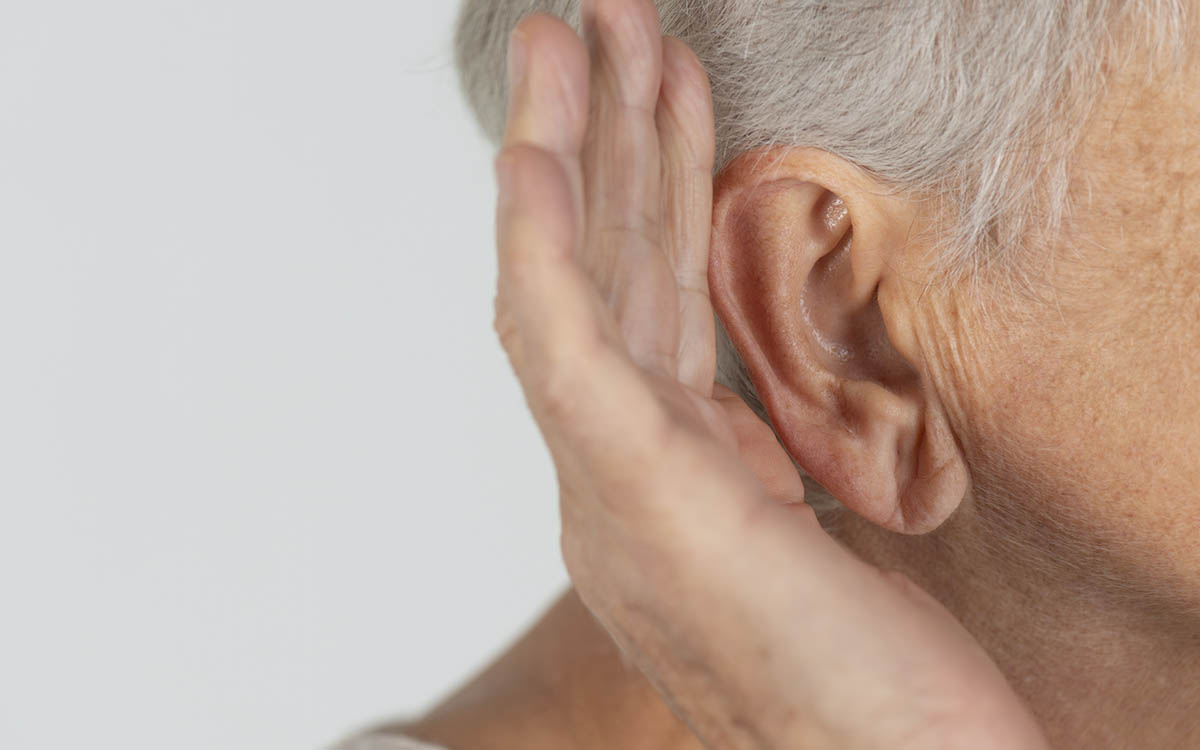
While many individuals correlate hearing loss with getting older, however, for millions in the U.S., auditory trauma initiates much earlier in life. Among the most frequent and preventable categories of auditory damage, noise-induced hearing loss frequently develops incrementally, remaining undetected until the damage is irreversible.
Comprehensive knowledge of how chronic noise exposure affects the ears facilitates proactive protection before substantial hearing loss manifests.
Identifying the Parameters of Noise-Related Hearing Loss
Noise-induced hearing loss occurs when loud sounds damage the delicate structures inside the inner ear. According to the Centers for Disease Control and Prevention, acoustic levels surpassing 85 decibels can induce ear damage following repeated or lengthy exposure. Louder sounds, like those from concerts, power tools, or firearms, can cause damage in minutes or even seconds.
Inside the inner ear are tiny sensory cells called hair cells. The function of these cells is to transduce mechanical vibrations into neural impulses for cerebral processing. Because hair cells cannot repair or replace themselves once damaged, hearing loss resulting from noise is generally a permanent physiological state.
Understanding How Ear Injury Progresses Incrementally
The insidious nature of noise-induced hearing loss is highlighted by its gradual developmental timeline. Early-stage symptoms resulting from noise exposure often include:
- Temporary ringing or buzzing in the ears (Tinnitus)
- Subjective hearing attenuation or muffling after high-decibel events
- Difficulty understanding speech in noisy environments
These early warning signs may fade, leading people to assume their hearing has “recovered”. In reality, repeated noise exposure continues to injure inner-ear structures, incrementally diminishing auditory acuity and threshold sensitivity.
According to the hearing loss Association of America, nearly 48 million citizens live with hearing loss, often without realizing the cause.
Recognizing Daily Sound Hazards to Hearing
The prevalence of loud sounds in daily life often results in a dangerous desensitization to harmful noise levels. As a result, many individuals remain unaware of the clinical prevalence of damaging noise exposure.
Potential sources include:
- Live music venues and concerts
- Personal audio devices utilized at excessive decibel levels
- Lawn equipment, power tools, and motorcycles
- Industrial workplace environments such as warehouses and construction sites
Due to the routine nature of these sounds, auditory injury may accrue in the absence of overt symptoms.
Implementing Proactive Care in Ear Preservation
Noise-induced hearing loss is physiologically irreversible, unlike many other health impairments. However, it is highly preventable. Simple protective habits can significantly reduce risk, including:
- The application of earplugs or attenuation earmuffs in loud areas
- Limiting headphone decibels and implementing the 60/60 rule for safe listening
- Taking listening breaks to give your ears time to recover
- Scheduling regular hearing evaluations if you’re frequently exposed to loud noise
Clinical Indicators for Requesting Audiology Services
Patients observing ongoing Tinnitus, challenges in conversation, or shifts in auditory acuity should contact an Audiologist. Prompt clinical evaluation is vital for tracking auditory status and formulating effective hearing preservation plans.
Protecting your ears today helps ensure clearer hearing tomorrow. Noise may be unavoidable, but hearing loss doesn’t have to be!. Contact our team today to schedule a consultation and make sure you’re hearing your best.