
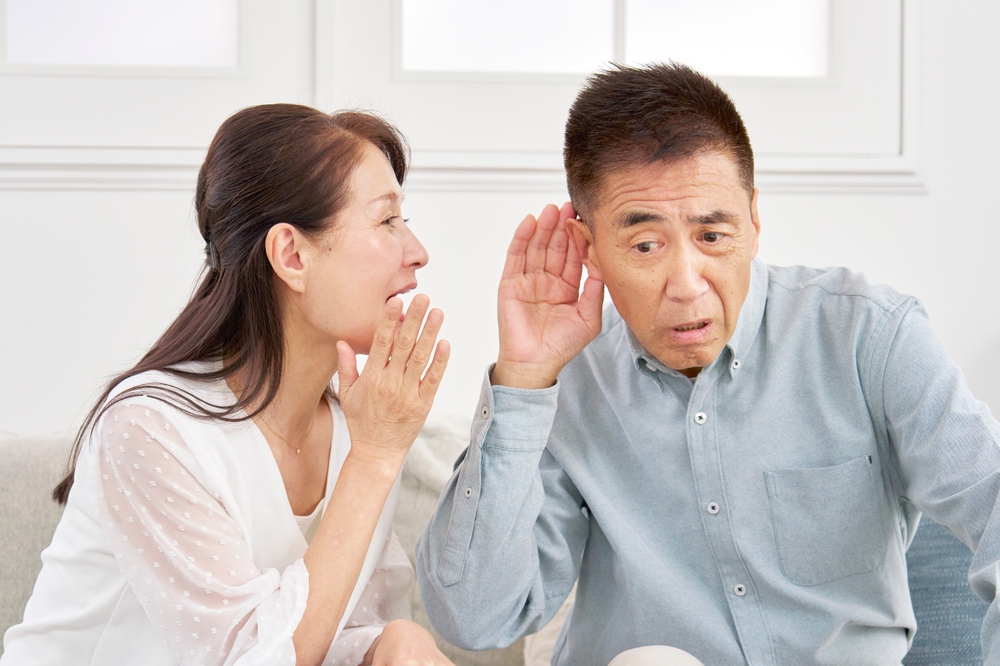
Prevalent myths regarding hearing loss frequently act as a barrier to necessary audiological treatment. When managing hearing loss, timely intervention is a fundamental requirement for long-term health. Believing common hearing loss myths can delay diagnosis, impact communication, and reduce your overall quality of life.
If you have concerns about your hearing, knowing the truth (and the myths!) can help you make informed decisions about your health and proceed with greater confidence. We will now examine seven prevalent auditory myths and the clinical evidence that refutes them.
The Fallacy of Senior-Only Hearing Loss
While sensory shifts are frequent in seniors, hearing loss remains a cross-generational health concern. Hearing impairment in younger patients is frequently caused by environmental noise, genetic predisposition, or systemic illness.
Labeling hearing loss as a senior-only problem often causes younger patients to overlook critical early warning signs.
The “I Can Still Hear” Fallacy
Hearing loss doesn’t have to mean complete deafness. In fact, many people with mild or moderate hearing loss can still hear sounds, but they struggle to understand speech clearly. A broad range of auditory dysfunctions exists between asymptomatic hearing and complete deafness.
Early symptoms frequently manifest as “cocktail party effect” struggles or a need for constant clarification from speakers. These markers represent initial auditory shifts that warrant a professional evaluation.
Myth: Auditory Decline is a Low-Stakes Issue
Ignoring hearing loss creates systemic health risks that impact the entire neurological system. Evidence-based research correlates auditory neglect with social anxiety, mental fatigue, and depressive symptoms.
Managing your hearing health is a critical step in preserving your holistic quality of life.
4. Myth: Hearing Aids Make Your Hearing Worse
There is no clinical evidence to suggest that proper use of hearing aids speeds up auditory decline.
When fitted correctly, hearing aids are safe tools for auditory rehabilitation. These devices use precision digital processing to target frequencies identified in your hearing test. Consistent use of hearing aids maintains the neural pathways required for clear sound interpretation.
Myth Five: The Aesthetic Stigma Fallacy
Current hearing tech leverages micro-circuitry to achieve high performance in small packages. Today’s devices are smaller and more powerful than ever. Numerous models—such as Invisible-in-the-Canal (IIC) devices—remain completely hidden during daily use.
In addition to their size, modern hearing aids often include beneficial features like background noise reduction, Bluetooth connectivity, and automatic sound adjustments.
Myth Six: The Fallacy of “Wait and See” for Mild Loss
Even mild hearing loss can impact communication and daily life. Addressing loss early eliminates listening fatigue and protects against chronic mental exhaustion.
Early clinical action ensures that the brain’s auditory processing centers remain sharp and functional.
Myth Seven: The Generic vs. Personalized Care Fallacy
While OTC options offer simple volume boosts, they cannot address the unique nuances of your ear health. A clinical hearing test allows an expert to program a solution specific to your biological requirements.
Individualized care ensures your device feels natural while providing crystal-clear sound quality.
Taking Control: Overcoming Misinformation for Better Hearing
Auditory shifts can be daunting, leading many to avoid the clinic through a “denial” response. Accepting myths as truth leads to a longer road to recovery and more significant brain strain. A professional assessment is an easy, stress-free way to gain total clarity on your ear health.
Taking the first step toward a hearing test is the best way to safeguard your long-term communication. Intervening early is a proven strategy for maintaining a high standard of living through better hearing.
For more information or to book your next hearing test, please contact our clinic today. Contact our office today to schedule your personalized hearing consultation.