
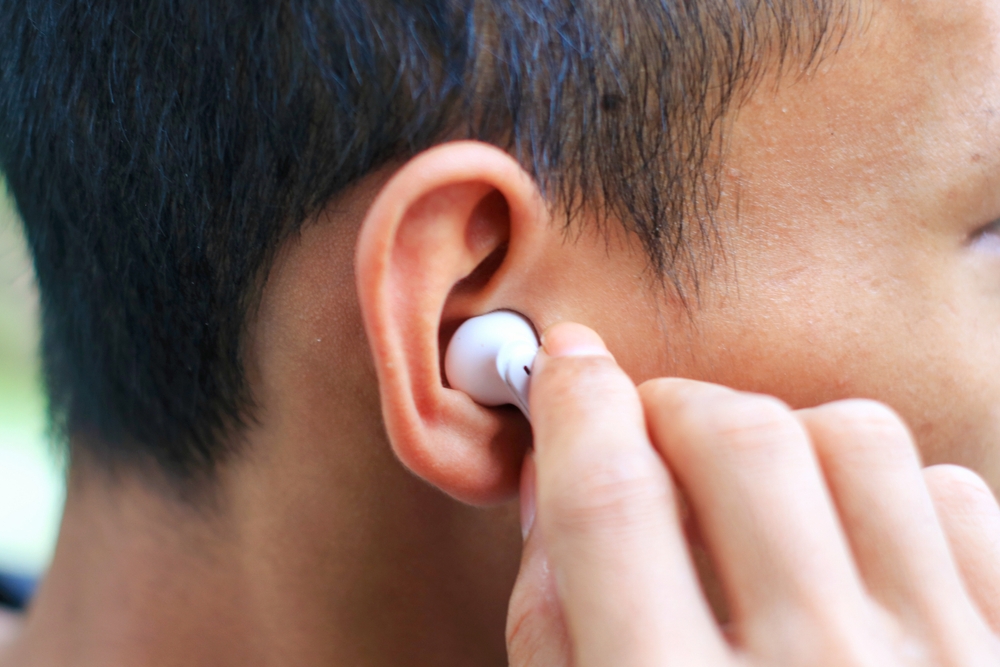
It is increasingly uncommon to observe a young adult in a public setting without an earbud in place. Even with their larger footprint, headphones remain a popular choice for teenagers looking to disconnect from the world. We all enjoy listening to music, no matter our age, but younger people rely on music to pass the time. So, can headphones cause hearing loss since they are so close to our ears? Clinically speaking, the hardware is not the culprit; rather, the risk lies in human behavior and exposure levels.
The Risks of Prolonged High-Decibel Exposure
The psychological impact of music varies, serving to calm the nerves, provide emotional solace, or increase physiological arousal. The outcome is entirely dependent on the genre and frequency of the audio. Personal audio tech provides a convenient way to consume media without infringing on the silence of those nearby. That’s a positive thing, and most people will tell you that they are grateful and prefer that on a train or bus.
The essential inquiry remains: at what decibel level and timeframe does listening become dangerous? The truth is, loud noise in general is damaging to your ears and your hearing. If you maintain a high volume for a long period, you risk destroying the hair cells in your inner ear. Hearing loss occurs gradually, so by the time you realize what’s happening, it may be too late.
Why Earbuds Pose a Unique Threat to Hearing Health
High volume stands as the most significant threat to the preservation of hearing sensitivity. Yet, we must remember that the length of time spent listening is equally important as the decibel level.
- Clinical guidelines from the NIH suggest that listening at or below 70 dB prevents damage regardless of the duration.
- Louder noises will cause hearing damage faster than quieter sounds.
- Audiologists recommend the 60/60 rule: stay below 60% of max volume and limit sessions to one hour.
- Protect your hearing by turning down the volume on your device and limiting your exposure.
Recognizing the Symptoms of Auditory Damage
If you commonly hear muffled sounds, find it difficult to understand conversations in noisy places, have ringing in your ears (tinnitus), and frequently ask people to repeat what they said or to speak louder, it’s time to have a hearing exam with a professional.
Schedule an appointment with our specialists if you believe your auditory health has been compromised.