
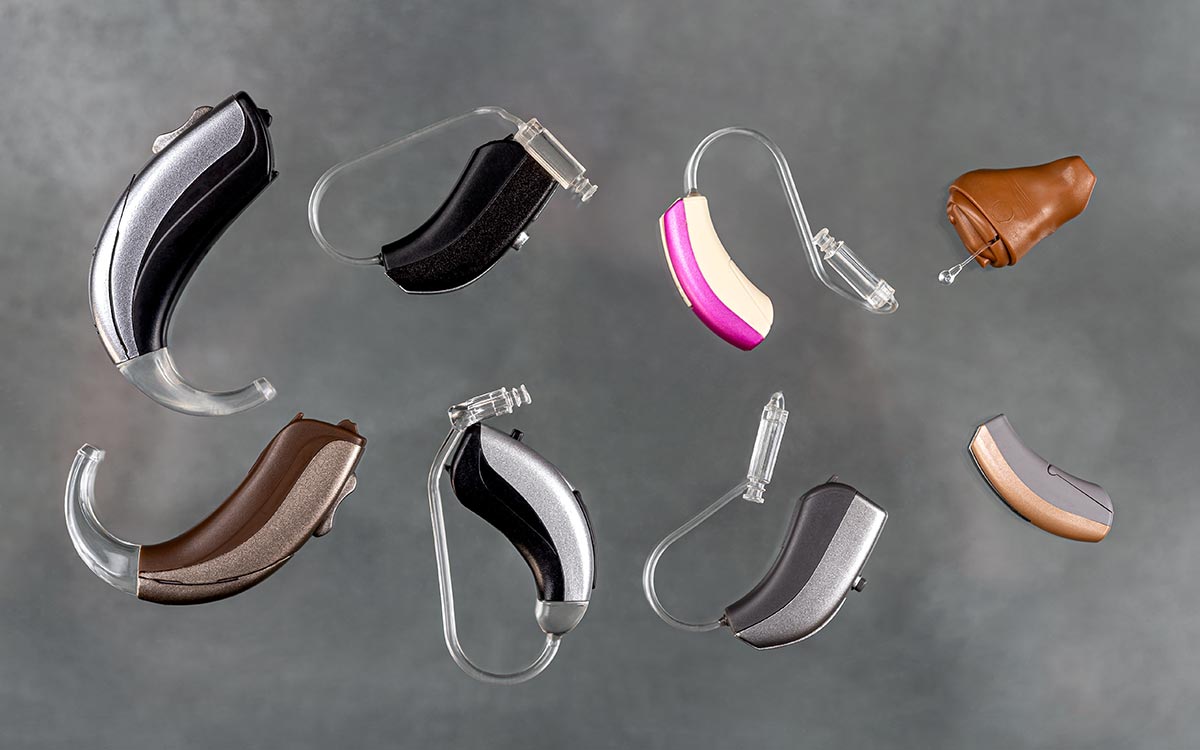
Choosing a hearing aid can feel overwhelming, especially when today’s devices come in so many styles, sizes, and technology levels. However, a specialized hearing solution exists for every person’s singular needs and daily habits. The key is merely choosing the one that fits you best.
By learning about the differences among various hearing aid models, you can move forward with greater confidence and knowledge. Today, we’re breaking down the different hearing aid styles and what makes each one unique.
Understanding In-the-Canal (ITC) Units
The Meaning:
These hearing aids are placed partly inside the canal, making them visible only slightly from the outside.
The Advantages:
- Provides an understated appearance compared to traditional styles
- Custom-molded for comfort
- A useful choice for those with moderate hearing needs
These devices are commonly suggested for novices due to their effective mix of subtle design and user-friendly functions.
Invisible-in-Canal (IIC) Hearing Aids
What they are:
These are the tiniest custom-made units on the market today. These devices sit so deeply back in the ear that they are nearly impossible to see.
Why people pick them:
- Highest degree of discretion for the wearer
- Provides realistic sound because of where the device sits
- A feather-light build renders them easy to wear all day
The small form factor of IIC models makes them perfect for mild hearing loss and anyone who values a stealthy hearing solution.
Full and Partial ITE Options
What they represent:
These models occupy either the full or bottom half of the outer ear bowl. Every device is specifically customized to match your ear’s unique shape.
The Benefits:
- The larger size makes it feasible to include more internal components and longer-lasting batteries
- The physical size is easier to hold and adjust for users with fine motor concerns
- Effective for a wide spectrum of hearing impairments, ranging from mild to severe
Users regularly choose these models for their straightforward, single-piece construction that avoids any external wiring or tubing.
Exploring BTE (Behind-the-Ear) Styles
Summary:
A BTE hearing aid is worn outside the ear for an optimal fit. These models utilize an individualized earmold or tubing to funnel sound inside.
Why users choose them:
- Known for remaining exceptionally adaptable and robust
- Work for nearly all degrees of hearing loss
- The size provides ample room for the latest connectivity features and rechargeable hardware
BTE devices are an excellent option for individuals seeking reliability, ease of use, and strong amplification.
RIC (Receiver-in-Canal) Overview
What they represent:
RIC hearing aids look comparable to BTE models, but the speaker (receiver) sits inside the ear canal rather than inside the device behind the ear.
Market Appeal:
- Very natural sound quality
- The ultra-thin design is equally light and nearly effortless to wear
- An adaptable choice that works for various degrees of auditory needs
The combination of design and high-end performance renders RIC models a top choice in the modern market.
Extended-Wear Hearing Aids
What they represent:
These devices are placed far in the ear canal by a hearing professional and can stay in place for several weeks at a time.
Lifestyle Benefits:
- Eliminates the need to put in or take out the device every day
- Almost hidden
- Engineered to be worn during everyday activities, including sleeping and exercising
If you want a hearing solution that requires zero daily thought, the extended-wear style is perfect.
Connected Hearing Systems
What they are:
Hearing aids with wireless connectivity that pair with smartphones, tablets, computers, and sometimes TVs.
Modern Perks:
- Allows for sharp voice calls and media streamed directly to the device
- Provides an unobtrusive method to manage your hearing environment from your mobile screen
- Provides the ultimate in convenience for those who use smartphones regularly
This wireless technology is found in most modern behind-the-ear and in-the-canal models.
Alternative Implantable Solutions
Design Overview:
This technology involves an operative procedure to place a device that physically stimulates the bones of the middle ear.
Who they are serving:
- Serves as a critical alternative for those who find no success with traditional amplification
- Comfortable option for chronic ear issues related to traditional devices
Candidates for middle-ear implants should undergo an exhaustive evaluation by a hearing specialist.
Choosing the Right Model for You
Every hearing aid style provides its own benefits, and the right option depends on your level of hearing loss, comfort preferences, lifestyle, and cosmetic considerations. A hearing professional is your best resource for comparing these options and finding an ideal choice for your daily routine.
Start traveling toward a world of better sound by arranging a consultation with an expert specialist. This simple action is the foundation for improved hearing and better connections with those around you.
Sources:
https://www.mayoclinic.org/diseases-conditions/hearing-loss/in-depth/hearing-aids/art-
20044116
https://www.hearinglife.com/hearing-aids/types
https://www.nidcd.nih.gov/health/hearing-aids