Serving Lafayette Since 1984
Acadiana’s Doctors of Audiology for hearing loss and tinnitus care.
For over 42 years, ACI Hearing Center has helped patients hear and live better with evidence-based care from our four Doctors of Audiology.








Financing
Hearing aids from as little as $99 per month
We work with CareCredit and PowerPay so you can get the right hearing technology without paying it all at once. Many plans offer 0% interest for qualified applicants. Applying takes about 60 seconds and does not affect your credit score for a soft check.
- CareCredit: 6 to 60 month terms. Widely accepted at healthcare providers.
- PowerPay: Longer-term plans up to 84 months.
- HSA and FSA accepted. Stack with insurance benefits.
Quick Example
A complete treatment plan with binaural hearing aids: $4,500 to $7,500. See what is included.
$99 / month
Interest rate depends on credit approval. Ask us to run the numbers for the technology you actually want.
Not sure what you qualify for? Call 337-223-9448 or stop by 103 Saint Thomas Street. We handle the paperwork with you.
Our Services
Comprehensive Hearing Care
From your first hearing evaluation to ongoing care and adjustments, we provide complete audiology services for patients of all ages.
Hearing Tests
Comprehensive evaluations including speech audiometry, tympanometry, and auditory brainstem response testing.
Learn moreHearing Aids
Custom-fit hearing aids in Lafayette LA with real-ear measurements. We fit Oticon, Widex, Phonak, Starkey, ReSound, Signia, Unitron, and Lyric.
Compare our 8 hearing aid brandsTinnitus Management
Certified Lenire provider offering FDA-approved treatment. Sound therapy, maskers, and personalized relief strategies.
Learn moreCochlear Implants
Complete evaluation and candidacy assessment for cochlear implants, including Cochlear Nucleus devices.
Learn moreHearing Aid Repair
Expert repair and maintenance to keep your hearing aids performing at their best.
Learn moreCustom Molds
Custom-fitted molds for swimming, sleep and snore protection, musicians, and everyday hearing protection.
Learn moreWelcome to ACI
A Warm Welcome Awaits You
From the moment you walk through our doors, you will experience the difference that genuine, patient-centered care makes. Our friendly front desk team is here to make every visit comfortable and stress-free.
We understand that scheduling a hearing appointment can feel like a big step. Our staff will guide you through every part of the process — from your first phone call to ongoing follow-up care.
Schedule Your Visit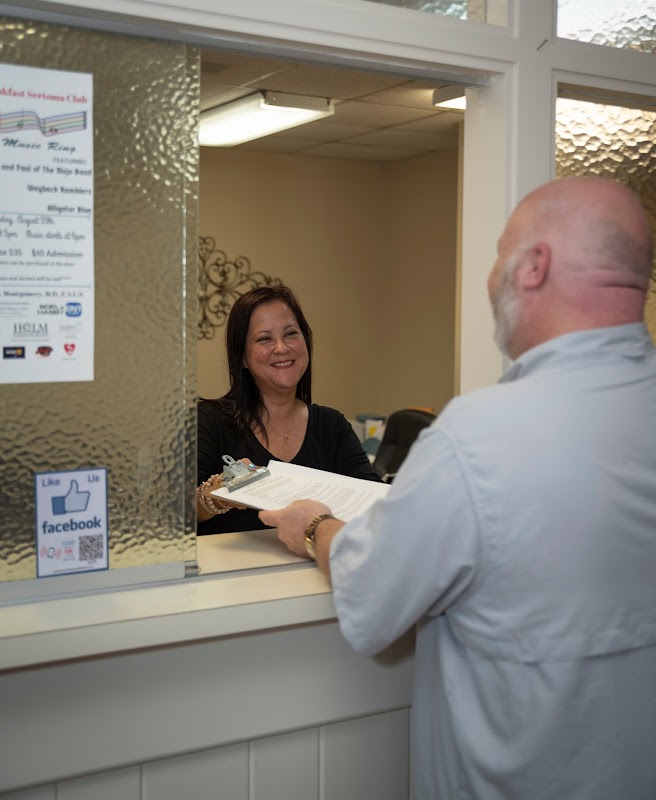
Why Choose ACI
Eight Reasons Acadiana Chooses ACI Hearing Center
Four Doctors of Audiology. Forty-two years in Lafayette. Over 300 Google reviews with a 5.0 rating. Acadiana's Choice 2025 and 2026 Winner. Here is what patients tell us matters most.
Four Doctors of Audiology
Most Acadiana practices have one or two audiologists. ACI has four full Au.D. providers, so your care never depends on a single schedule. Meet our team.
Acadiana's Choice 2025 & 2026 Winner
Voted best hearing care provider by the Acadiana community in 2025 and again in 2026. Third-party verified recognition, not self-promotion. More about ACI.
Real-Ear Measurements on Every Fitting
Probe microphone verification is the gold standard for hearing aid fittings in Lafayette. Fewer than 30% of providers use it. Every ACI fitting includes it. See our side-by-side comparison of the 8 hearing aid brands we fit.
Certified Lenire Tinnitus Provider
FDA-approved Lenire treatment for tinnitus, plus Neuromonics (certified) and Levo (coming soon). Full tinnitus retraining therapy program. Tinnitus care.
Cochlear Implant Programs
Full candidacy evaluations, mapping, and lifetime follow-up. One of the few Acadiana practices offering complete cochlear implant care. Cochlear implants.
Pediatric Audiology
Comprehensive pediatric hearing evaluations, from newborn screening follow-up to school-age testing. In-house, not a referral. Pediatric care and hearing aids for kids.
Most Insurance Accepted
Medicare, Blue Cross Blue Shield, Humana, Aetna, and many other commercial plans. Financing available through CareCredit and PowerPay. Insurance details and financing options.
Cognivue Cognitive Screening
Untreated hearing loss is one of the largest modifiable risk factors for cognitive decline. ACI offers Cognivue in-office cognitive screening so we can track brain health alongside hearing health and refer early when it matters. Our full services.
Our Team
Meet Your Doctors of Audiology
Four Doctors of Audiology serving Lafayette and the Acadiana region. Each has completed an Au.D. doctoral program and brings decades of combined clinical experience to every patient visit.
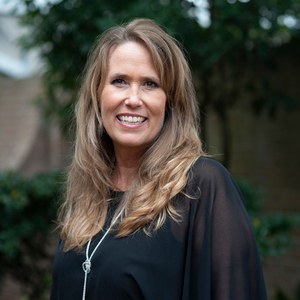
Dr. Kimberly L. Allred
Au.D., CCC-A, FAAA. Owner and audiologist since 1984. Read full bio.

Dr. Elizabeth LeMaire
Au.D., CCC-A, FAAA. Adult and pediatric audiology. Read full bio.
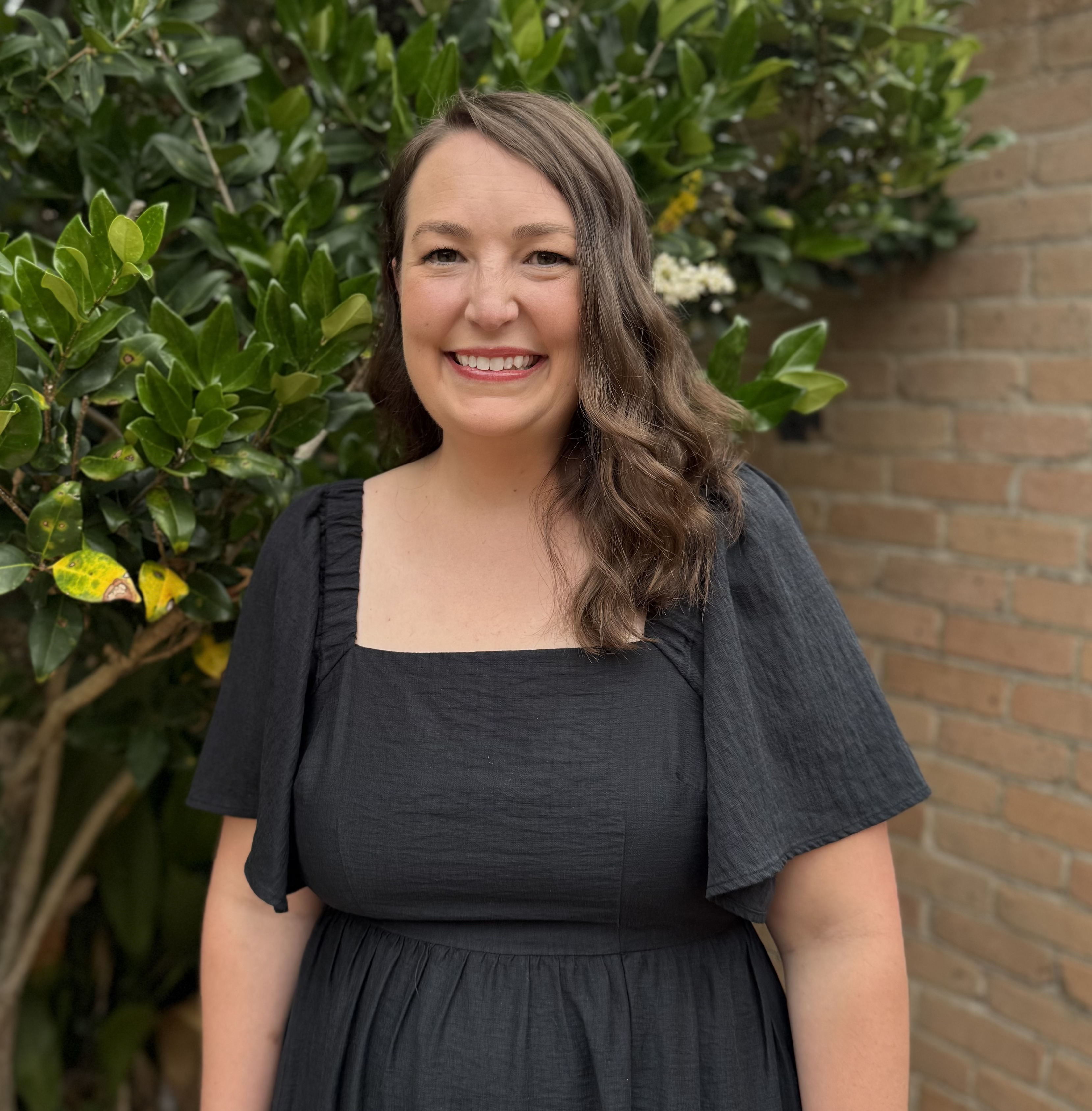
Dr. Sarah Lalande-Davies
Au.D., CCC-A. Tinnitus, hearing aids, diagnostics. Read full bio.
Dr. Courtney Barbier
Au.D., CCC-A. Diagnostic testing, hearing aid fittings. Read full bio.
Patient Reviews
What Our Patients Say
"The entire staff is wonderful. They take the time to explain everything and make you feel right at home."
"After years of struggling to hear, Dr. Allred and her team changed my life. I can hear my grandchildren clearly now."
"Professional, caring, and thorough. They truly go above and beyond for their patients. Highly recommend!"
Why Lafayette Trusts ACI Hearing Center
Forty years of better hearing for Acadiana families.
ACI Hearing Center was founded in Lafayette in 1984 by Dr. Kimberly L. Allred, Au.D., FAAA. She has personally practiced audiology in Acadiana for over 42 years and still owns the practice today. She sees patients every week at the Saint Thomas Street office and leads a team of four Doctors of Audiology (Dr. Elizabeth LeMaire, Dr. Sarah Lalande-Davies, and Dr. Courtney Barbier). We are not a national hearing aid chain. We are an independent, doctor-of-audiology-owned practice with more than three generations of Acadiana families in our records and a permanent commitment to this community. Read our full story or meet the full clinical team.
A real diagnostic appointment, every time
Every new patient starts with a full diagnostic hearing evaluation, not a quick screening. We test air conduction, bone conduction, speech understanding in quiet, speech understanding in noise, and middle ear function. We explain every result in plain language and walk you through your audiogram before we talk about treatment. If you do need hearing aids, you will know exactly why and what they will and will not do for you.
Real-ear verification on every fitting
Real-ear measurement is the gold standard for hearing aid fitting. A tiny microphone goes in your ear canal next to the hearing aid, and we measure the exact sound level reaching your eardrum. We then adjust the hearing aid until the output matches your individual prescription target. Less than 30 percent of hearing aid dispensers in the United States use real-ear measurement. Every fitting at ACI uses it. This is the single biggest reason our patients report better speech clarity than they had at previous providers.
Care for tinnitus, cochlear implants, and complex cases
Many of our patients arrive after being told nothing else can be done for their ringing or their hearing loss. We offer Tinnitus Retraining Therapy, sound therapy programming, cochlear implant candidacy testing, and post-implant programming. If your case is outside our scope, we coordinate directly with ENT physicians, neurologists, and surgical centers across Acadiana so you are never left to figure out the next step on your own.
Independent means honest options
Because we are not owned by a hearing aid manufacturer, we fit every major brand including Oticon, Phonak, Widex, Starkey, Signia, ReSound, and Unitron. We recommend the technology that fits your hearing loss, your lifestyle, and your budget, not the brand a corporate office told us to push this quarter. We will also tell you when you do not need hearing aids yet. That happens more often than you might expect.
Lifelong follow-up included
Hearing aids are not a one-time purchase. They are a relationship. That is why every purchase at ACI Hearing Center includes a 60-day evaluation period with unlimited visits and adjustments, so we can fine-tune your fitting and make sure you are genuinely happy with your hearing aids.
From there, you choose the level of ongoing care that fits you. Some patients pay per visit as needed. What we recommend, and what most of our patients choose, is a complete treatment plan with follow-up visits, cleanings, reprogramming, and adjustments included for the life of your devices. You will see the same audiologists every visit, and we keep detailed notes on what works for you and what does not, so each appointment builds on the last.
Better hearing isn't something we fit once and send out the door. It's something we take care of together.
Serving all of Acadiana
Patients come to us from Lafayette, Broussard, Youngsville, Carencro, Scott, Maurice, Duson, Breaux Bridge, Crowley, New Iberia, Opelousas, Abbeville, and Eunice. We are five minutes off Ambassador Caffery Parkway and have plenty of parking. Same-week appointments are usually available, and we accept most major insurance plans including Medicare, Blue Cross Blue Shield, Humana, and Aetna. See our full service areas across Acadiana.
Local Audiology Serving Acadiana
ACI Hearing Center is based in Lafayette and serves the entire Lafayette Parish region. Every service is available to patients from surrounding cities. Choose your city for local directions, driving times, and neighborhood details.
- Audiologist serving Lafayette, LA
Our home base. 103 Saint Thomas Street, five minutes off Ambassador Caffery Parkway.
- Audiologist serving Broussard, LA
About 10 minutes from downtown Broussard via US-90 or Albertson Parkway.
- Audiologist serving Youngsville, LA
About 12 minutes from Youngsville via Ambassador Caffery Parkway or LA-89.
- Audiologist serving Carencro, LA
About 12 minutes from Carencro via I-49 south to Ambassador Caffery.
- Audiologist serving Scott, LA
About 6 to 10 minutes from Scott via I-10 east or Cameron Street.
Frequently Asked Questions
Quick answers to what new patients ask most.
How do I know if I need a hearing test?
If you frequently ask people to repeat themselves, turn the TV up louder than others prefer, struggle to follow conversation in a restaurant, or hear ringing in your ears, you should have a baseline hearing evaluation. The American Academy of Audiology recommends a hearing test every three years after age 50, and yearly after age 60. A diagnostic hearing evaluation at ACI takes about 60 to 90 minutes and is the only way to know exactly what your ears are doing.
What does a treatment plan cost at ACI Hearing Center?
At ACI Hearing Center we price complete treatment plans, not individual devices. Treatment plans range from $4,500 to $7,500 and include binaural hearing aids (both ears), the diagnostic evaluation, real-ear measurement fitting, follow-up visits, cleanings, and reprogramming for the life of the device. We accept most major insurance plans, and we will tell you exactly what your insurance covers before you commit. Many patients also qualify for financing.
What is the difference between a hearing aid from Costco or online and one from ACI?
The hearing aid hardware can be similar. The fitting is not. At ACI every fitting includes real-ear measurement, which physically verifies that the hearing aid is delivering the correct sound levels to your eardrum. Less than 30 percent of dispensers in the country use this. We also include unlimited adjustments, cleanings, and follow-up appointments with the same audiologist for the life of the device. Online and warehouse models typically do not.
Do you treat tinnitus?
Yes. We offer Tinnitus Retraining Therapy, sound therapy programming, and hearing aids with built-in tinnitus masking. We start with a tinnitus evaluation to identify your tinnitus pitch and loudness, screen for any underlying medical cause that needs a physician referral, and then build a personalized treatment plan. Most patients report meaningful relief within three to six months.
Does Medicare cover hearing aids?
Original Medicare does not cover hearing aids themselves, but it does cover diagnostic hearing tests when ordered by a physician. Many Medicare Advantage plans do include hearing aid benefits, often in the range of 500 to 2,500 dollars per ear. Before your visit, give us your insurance information and we will run a verification of benefits so you know your out-of-pocket cost in advance.
How long does it take to get used to hearing aids?
Most patients adapt in two to four weeks. Your brain needs time to relearn sounds it has been missing, sometimes for years. We schedule follow-up visits at one week, three weeks, and six weeks after fitting to fine-tune the programming as your brain adjusts. You also have a 60-day evaluation period to make sure the devices are right for you.
Do you see patients from Broussard, Youngsville, or other Acadiana towns?
Yes. Our office at 103 Saint Thomas Street in Lafayette is a short drive from Broussard, Youngsville, Carencro, Scott, Maurice, Duson, Breaux Bridge, and New Iberia. We have plenty of parking and same-week appointments are usually available. Call 337-223-9448 to schedule.